



Relationships, Sex and Health Education
What is changing?
From 2020, the following subjects become compulsory in applicable schools in England:
- Relationship and Sex Education in secondary schools
- Health Education in state funded secondary schools
These subjects will support all young people to be happy, healthy and safe, equipping them for life as an adult in British society. Some parts of the new curriculum, as with the current curriculum, are compulsory. These are part of the national curriculum for science.
Why is it changing?
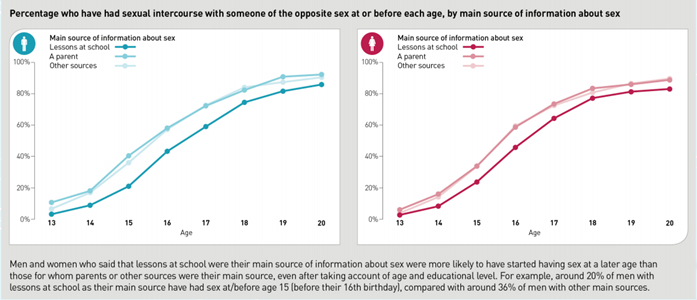
There is research evidence that suggests that Relationship and Sex Education can help students make informed decisions to keep themselves safe when it comes to recognising sexual abuse or using contraception and it can potentially result in delaying the age of their first experience of sexual intercourse (DfE, 2019). You can see this evidence on the following graph created by the Sex Education Forum which analyses the results of the latest Natsal (National Survey of Sexual Attitudes and Lifestyles) survey:
https://www.sexeducationforum.org.uk/sites/default/files/field/attachment/SRE%20-%20the%20evidence%20-%20March%202015.pdf
What is being taught?
Changes to the right to withdraw
Parents may withdraw students from non-statutory/non-science components of RSE up to three terms before the child turns 16. Requests must be made in writing to the headteacher, who will provide the official withdrawal form.
See the below links to read our PSHE and RSE Policy.
This is set out in the Department for Education's (DfE) guidance.